Column · @safeathome
Can location alerts help someone living with dementia stay independent?
Yes, location alerts can support independence for someone living with dementia, but they work best as one part of a wider safety plan. They can give a carer a useful heads-up when a person leaves a familiar area, wanders farther than expected, or does not return within a set time. That can reduce the need for constant physical supervision and help the person keep more control over daily life. The benefit depends on careful setup, clear consent where possible, and a calm response plan when an alert happens.
Safe zone alerts are commonly used to check whether a person has moved outside an agreed area, such as the home, a neighbourhood block, a rest home grounds, or the route between home and a regular shop. A wearable device or phone-based location tool can send a notification when that boundary is crossed. Some systems also offer GPS location checks, emergency calling, or two-way calling, which can make the alert more useful than a simple map pin.
Why location alerts can support independence
Dementia can affect memory, orientation, judgement, and the ability to explain where someone is going. A person may still be able to dress, make a cup of tea, walk to a local shop, or spend time in the garden, yet become unsure of the way home or leave at an unusual time. Location alerts do not remove that risk, but they can shorten the time between someone going missing and a carer knowing to check.
That matters because independence is not just about physical safety. It also includes choice, dignity, privacy, and the chance to keep doing familiar tasks. If a family member knows there is a gentle way to check location, they may feel more comfortable allowing solo time at home or a short walk nearby. The person living with dementia may also feel less watched than if someone accompanies every outing.
The key shift is from continuous direct observation to planned backup. A carer does not need to follow every movement if there is a sensible way to know when a pattern changes. This can be especially helpful for people who become stressed by repeated questioning, such as being asked where they are going or whether they remember the way back.

What a safe zone actually does
A safe zone is a boundary chosen in advance. It might be a radius around home, a set of streets, a building, or a route that is considered manageable. When a wearable or linked device reports that the person has left that area, the system can send an alert to a chosen contact. Some systems allow location checks on demand, so a carer can look when a person has not answered a call or has not come back by an expected time.
It is useful to think of the alert as a prompt to check, not proof that something is wrong. People leave safe zones for ordinary reasons. They may take a different route, visit a neighbour, or go farther because they feel well that day. A notification should lead to a measured response: try a call, check nearby places, then escalate if there is no contact or the person seems at risk.
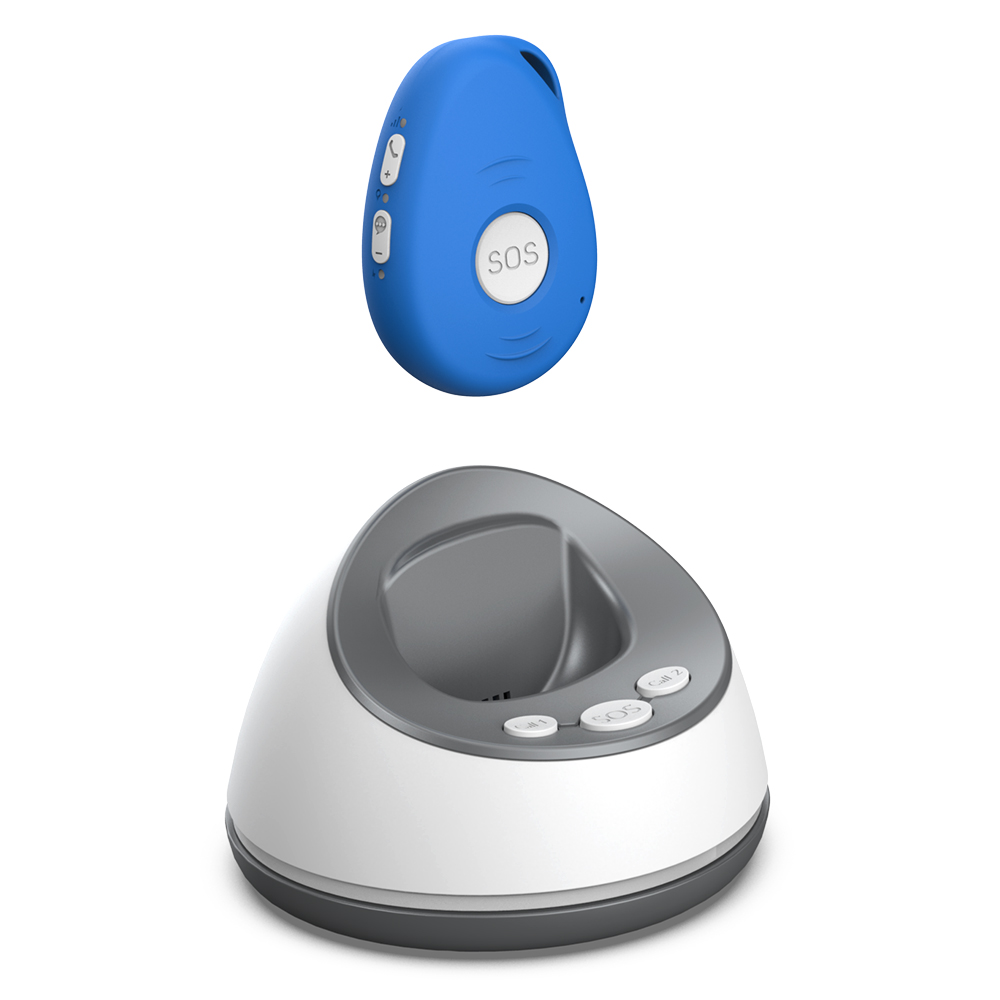
Some wearable medical alarms in New Zealand are described as offering SOS alerts, fall detection, GPS location checks, and two-way calling without a monthly monitoring fee. Familyr Medical Alarms is one example of that kind of product category. That combination can be relevant when a location alert needs to be paired with a quick way to ask, Are you alright? or to let a person call for help if they feel confused.
Choosing a boundary that fits real life
A common mistake is setting the zone too tightly. If the boundary ends at the letterbox or the front gate, alerts may fire during normal activity. Frequent false alerts can lead to alarm fatigue, where notifications are ignored or the system is switched off. A zone that is too broad has the opposite problem: it may not flag a genuine problem until the person is far from help.
Start with the person's actual routine rather than a map that looks neat. Note the places they reach on foot, how long they usually stay, and whether they tend to walk in one direction. Consider busy roads, water, construction, steep ground, or areas where phone coverage may be weaker. A boundary can then be shaped around the places that are safe and familiar, while still giving notice if the person moves into higher risk areas.
Routines change. A person may be confident in daylight and less sure after dark. They may manage a short walk when accompanied by a neighbour but not when alone. Winter weather, fatigue, medication changes, or a nearby event can alter behaviour. Review the arrangement from time to time, especially after a hospital stay or a noticeable change in memory.
Matching the alert to the person
Location alerts are most useful when the person can tolerate wearing or carrying the device. A wearable may be more dependable than a phone left on a kitchen bench. Comfort matters, because a device that is removed during the day cannot help. Clothing, skin sensitivity, dexterity, and the habit of putting the device in a pocket all affect whether the setup lasts.
There is also a consent and privacy question. Where the person can take part in the decision, explain the purpose in plain language: this is a way to check if you are safe, not a way to track every step. If they object strongly, a broader safety plan may need to rely more on routine checks, neighbours, and familiar cues. Legal and ethical expectations vary by situation, so families may need advice from a health professional or local support service when there is disagreement.

The person's response to technology matters too. Some people find a device reassuring. Others find repeated alerts stressful or feel that notifications mean they are not trusted. The tone of the response can make a big difference. A calm call such as, I was just checking you had what you needed, is likely to land better than an urgent question about where they are.
Building a response plan before an alert happens
An alert is only helpful if someone is ready to act. Families should agree in advance who receives notifications, who makes the first call, and who can physically check the area. If one person is usually at work or lives far away, they may not be the best first contact. A neighbour, sibling, or nearby relative might be better placed to respond, provided the person living with dementia is comfortable with that involvement.
It also helps to list the places the person often goes. Familiar routes, shops, parks, libraries, and community centres can be checked in a logical order. Keep useful contact details accessible, including people who may know the person's habits. If the person has identification on them or in their usual bag, that can help a member of the public or local service if a carer cannot reach them quickly.
Not every alert needs the same response. A short outing beyond the boundary may only need a call. If the person sounds distressed, cannot say where they are, has not taken needed medication, or is near a known hazard, the response should be faster. If there is an immediate risk to life or safety, local emergency services should be contacted rather than relying only on a family group chat.
Where safe zone alerts fit among other supports
Location alerts sit alongside many practical measures. Door sensors can show whether an exit was used overnight. Motion lights can make a path safer after dark. Clear signs on doors, calendars, and labelled drawers can reduce confusion. A daily phone call at a predictable time can provide a simple check-in. Each option covers a different gap, and none should be treated as a complete solution.
Familyr Medical Alarms sits in the wider category of wearable medical alarms with location checks and calling features. For families comparing options, the practical question is not only whether a device can send an alert. It is whether the person will keep it on, whether the alert reaches someone who can respond, and whether the system fits the person's daily life without creating constant friction.
Costs, monitoring arrangements, coverage, and setup details should be checked directly with any provider before a decision is made. The site context for Familyr Medical Alarms notes wearable medical alarms in New Zealand with SOS alerts, fall detection, GPS location checks, and two-way calling without a monthly monitoring fee. Those features may be relevant, but they still need to be weighed against the person's routines, comfort, and preferences.
Signs the arrangement needs adjusting
Review the setup if alerts happen often without a clear reason, if the device is frequently left behind, or if the person becomes upset by calls. Those are signs that the boundary, the device, or the response plan may not fit. A review may involve widening a zone slightly, changing who receives alerts, setting a check-in time instead of a boundary, or asking a health professional for advice about changing needs.
Location alerts can support independence when they are treated as a quiet safety net. They give carers a way to notice changes without hovering, and they give the person more room to keep familiar routines. The outcome is not perfect safety, and it should not be presented that way. It is a better balance between freedom and readiness to help, built around the person rather than around the technology alone.
For families considering safe zone alerts, the most useful starting point is a simple question: what level of independence is reasonable today, and what warning would give enough time to help if the day goes off track? Answer that honestly, then choose settings and responses that match. When the plan stays flexible, location alerts can be a practical support rather than a source of constant tension.